Quick answer
The emergency items that hold their value are small, cheap today and hard to get when shops run empty: things you use up every day, things that make water safe, things that make fire and light, and things that keep tools and bikes running. Twenty-two of them are listed below. Most cost a few USD each, store for years, and are just as useful for your own household as they are for trading with neighbors.
Note: This article is general information, not medical, legal or safety advice. Follow product labels and local laws, and ask your doctor about any medicine.
What makes an emergency item valuable
In a crisis, value moves from what was expensive to what is useful. History shows the pattern: when food and fuel ran short, jewelry and silver lost their pull, while everyday goods and practical skills kept theirs (more in our diesel shortage scenario). A good emergency item ticks most of these boxes:
- Used up: people need more of it every week, such as soap, lighters or batteries.
- Small and light: easy to store, carry and divide into small units.
- Long shelf life: it keeps for years without special care.
- Hard to make yourself: nobody can produce a lighter, a lens or an inner tube at home.
- Cheap now: a few USD today, priceless when the supply chain breaks.
Water: make it safe and store it
- Droppers (pipettes): the key to dosing bleach correctly. The US EPA advises 2 drops of regular, unscented 6% bleach per liter (8 drops per gallon) of clear water, doubled if the water is cloudy or very cold, then 30 minutes of standing time. Without a dropper, dosing turns into guesswork.
- Coffee filters: let cloudy water settle, then pour it through a coffee filter or clean cloth before you disinfect it, as the EPA recommends. They also strain cooking oil and work as a basic dust filter.
- Disinfectants: unscented chlorine bleach for water and surfaces, and alcohol-based sanitizer for hands. Bleach loses strength over time, so the EPA advises bleach stored for less than a year; rotate it. The CDC explains doses for other concentrations.
- Water filters, including portable ones: a good gravity or squeeze filter turns rainwater, a creek or a pond into drinking water, and needs no power. Pair it with chemical disinfection for viruses. See Sustainably Offgrid’s overview of portable water filtration systems.
- Condoms, also for water storage: a non-lubricated condom, supported in a sock or bag, can hold roughly a liter of water in an emergency. They are tiny, cheap and keep for years, and are also wanted for their intended purpose when pharmacies are closed.
Health and hygiene
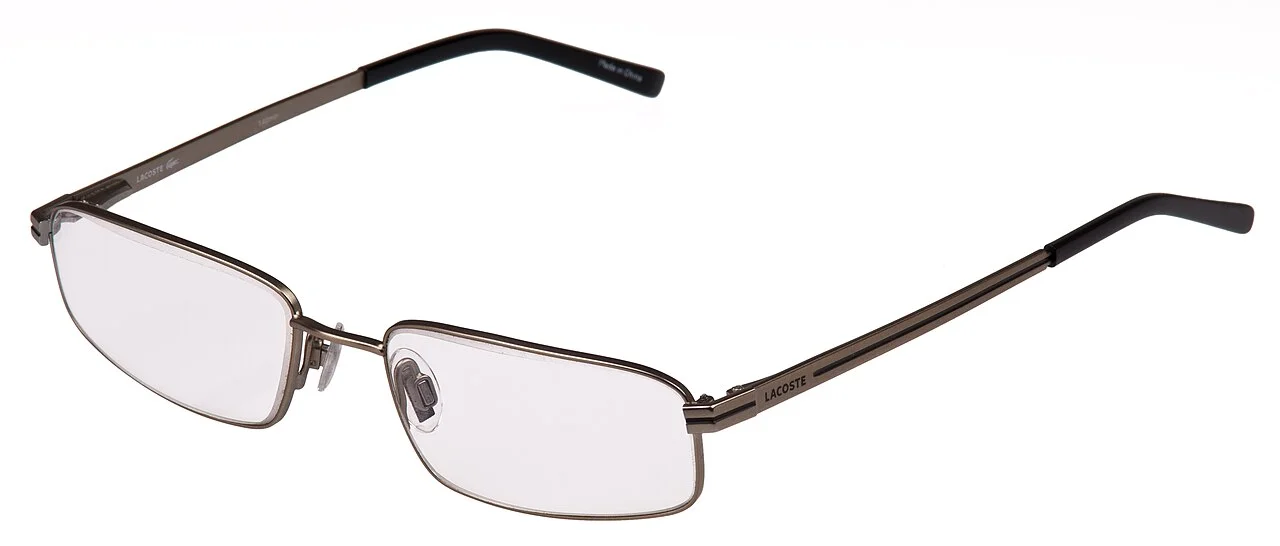
- Reading glasses: after 40, most people cannot read a label, thread a needle or fix a small part without them. Keep several pairs in strengths from about +1.0 to +3.0. They cost a few USD and are impossible to replace when opticians are closed. Ready.gov also lists spare eyeglasses in its emergency kit.
- Soap and other hygiene products: bar soap, toothpaste, shampoo, razors and sanitary products. Hand washing prevents more illness than almost anything else you can store.
- Toilet paper and wet wipes: the first items to vanish from shelves in any scare. Wipes also replace a shower when water is short.
- Dental floss: for teeth, and as strong thread to sew canvas or tie things down.
- Petroleum jelly (Vaseline): protects chapped skin and lips, prevents chafing, keeps tools and hinges from rusting, and a cotton ball smeared with it makes a reliable fire starter.
- Baking soda: cleaner, deodorizer, toothpowder and a remedy for heartburn, and it smothers small grease fires. It costs almost nothing and keeps indefinitely when dry.
- Antibiotics, with your doctor: infections from small wounds become serious when medical care is far away. Ask your doctor about a reserve of your regular medicines and whether a prescribed emergency supply makes sense for you. Never take antibiotics without medical advice, and do not buy them from unofficial sources.
Fire, light and power
- Lighters and matches: cheap disposable lighters and waterproof matches are among the most traded items in any shortage. Everyone needs fire to cook, boil water and heat.
- Flashlights and batteries, AA and larger: LED flashlights and headlamps that all take the same battery size, plus AA, AAA, C and D batteries. Batteries are a currency of their own when the power is out. Rechargeables plus a charger are even better.
- Solar chargers: a folding solar panel or power bank keeps phones, radios, headlamps and rechargeable batteries going without fuel. For bigger loads, see our guide to using your car and a power inverter for backup.
Food and the garden
- Manual can openers: a pantry full of cans is useless without one. They are on the Ready.gov basic kit list; keep two.
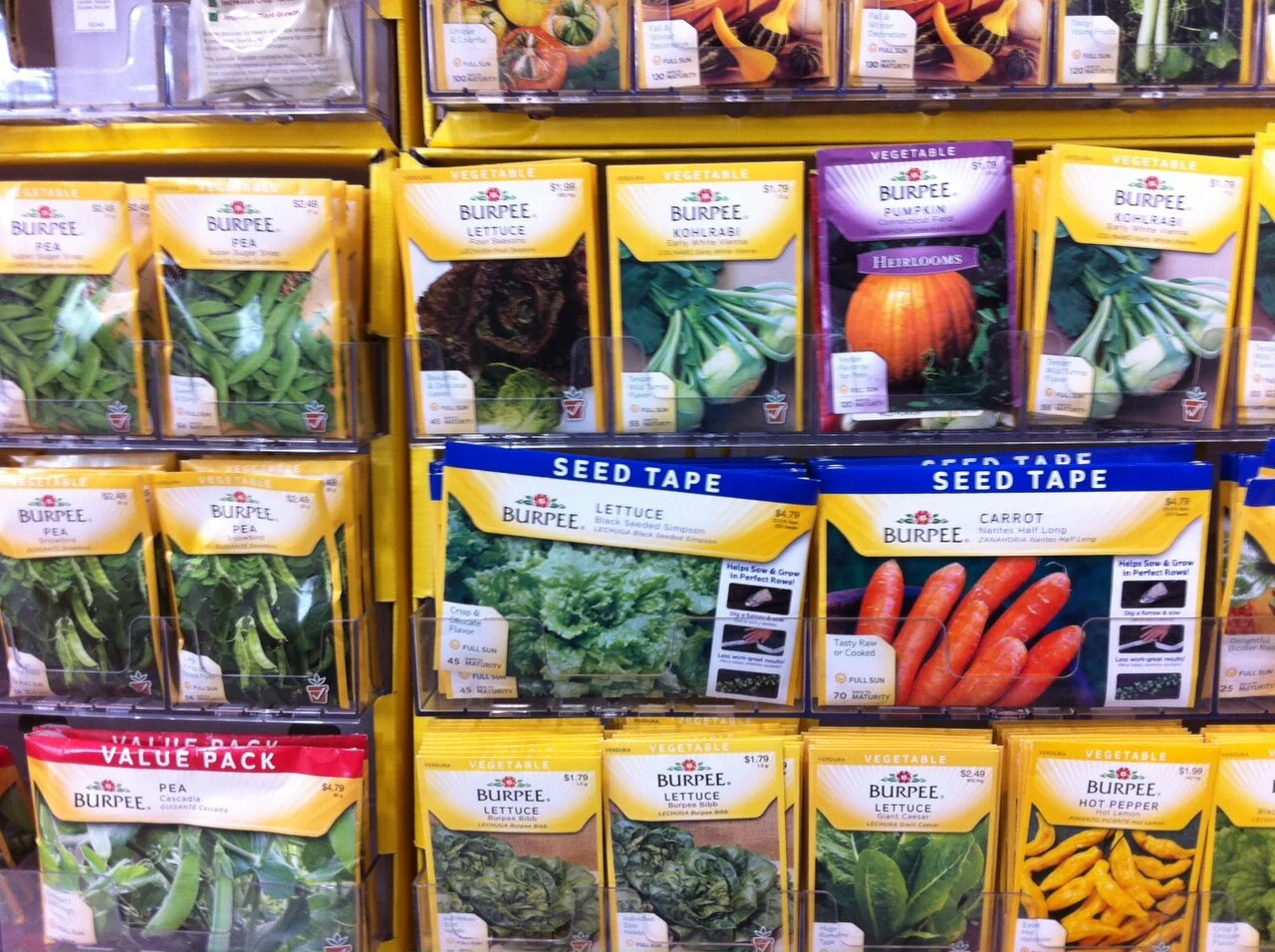
- Untreated, genuine seeds: open-pollinated or heirloom seeds without chemical coatings. Unlike most hybrid (F1) seeds, they grow true, so you can save seed from this year’s harvest for next year. Seeds are light, keep for several years when cool and dry, and few things are worth more to a neighbor who wants to grow food.
Seeds worth stocking for essential food
Pick a mix of crops that give calories and protein, crops that store through winter, and fast greens for vitamins. All of the varieties below are open-pollinated, so you can save their seed. Choose what suits your climate and what your household actually eats.
| Crop | Example open-pollinated varieties | Why it matters | Seed saving |
|---|---|---|---|
| Dry beans | Provider (bush), Kentucky Wonder (pole), Jacob’s Cattle | Protein and calories; dry beans store for years | Easy: self-pollinating, just let pods dry on the plant |
| Peas | Green Arrow, Lincoln | Early spring crop, protein, can be dried | Easy: self-pollinating |
| Winter squash and pumpkin | Waltham Butternut, Table Queen acorn | Calories and vitamins; stores for months in a cool room | Moderate: varieties of the same species cross, grow one at a time |
| Corn for meal | Reid’s Yellow Dent, Bloody Butcher | Dried and ground for cornmeal; a staple grain | Harder: needs a larger block of plants and isolation from other corn |
| Potatoes | Grow from seed potatoes, not seed | The most calories from a small plot | Keep some small, healthy tubers for replanting |
| Tomatoes | Roma, Brandywine | Fresh, dried or canned; sauce stores well | Easy: self-pollinating |
| Kale and collards | Lacinato kale, Georgia collards | Hardy greens that keep producing into frost | Harder: biennial, flowers in the second year |
| Carrots and beets | Danvers carrot, Detroit Dark Red beet | Root crops that store in sand or a cool cellar | Harder: biennial, flowers in the second year |
| Onions | Yellow of Parma, Red Wethersfield | Flavor and storage through winter | Harder: biennial |
| Lettuce | Black-Seeded Simpson | Ready in weeks; quick greens while slower crops grow | Easy: self-pollinating |
Beans, peas, tomatoes and lettuce are the easiest to start saving seed from. Store seed in paper envelopes inside a sealed jar in a cool, dark place, labeled with the variety and year, and grow a little every year so the seed stays fresh and you build the skill. Sustainably Offgrid shows cheap ways to fill a raised bed to get started.
Repair and getting around
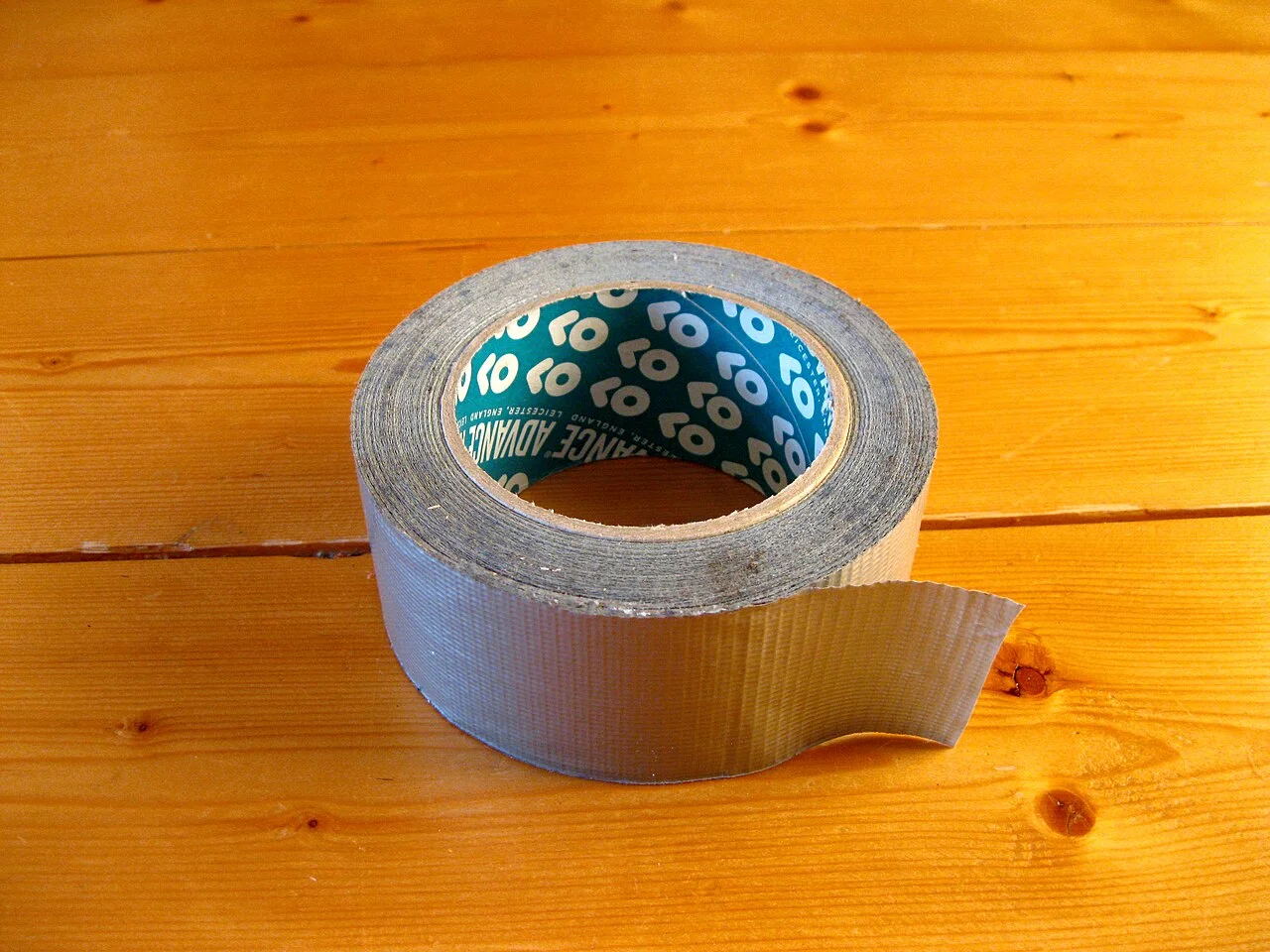
- Duct tape: the universal repair: hoses, tarps, shoes, broken windows, packs. Ready.gov lists it for sealing a room with plastic sheeting.
- High-quality hand tools: a good saw, hammer, pliers, screwdrivers, wrenches, a file and an axe. Buy quality once; cheap tools break when you need them most. A neighbor short of a tool values it far more than jewelry.
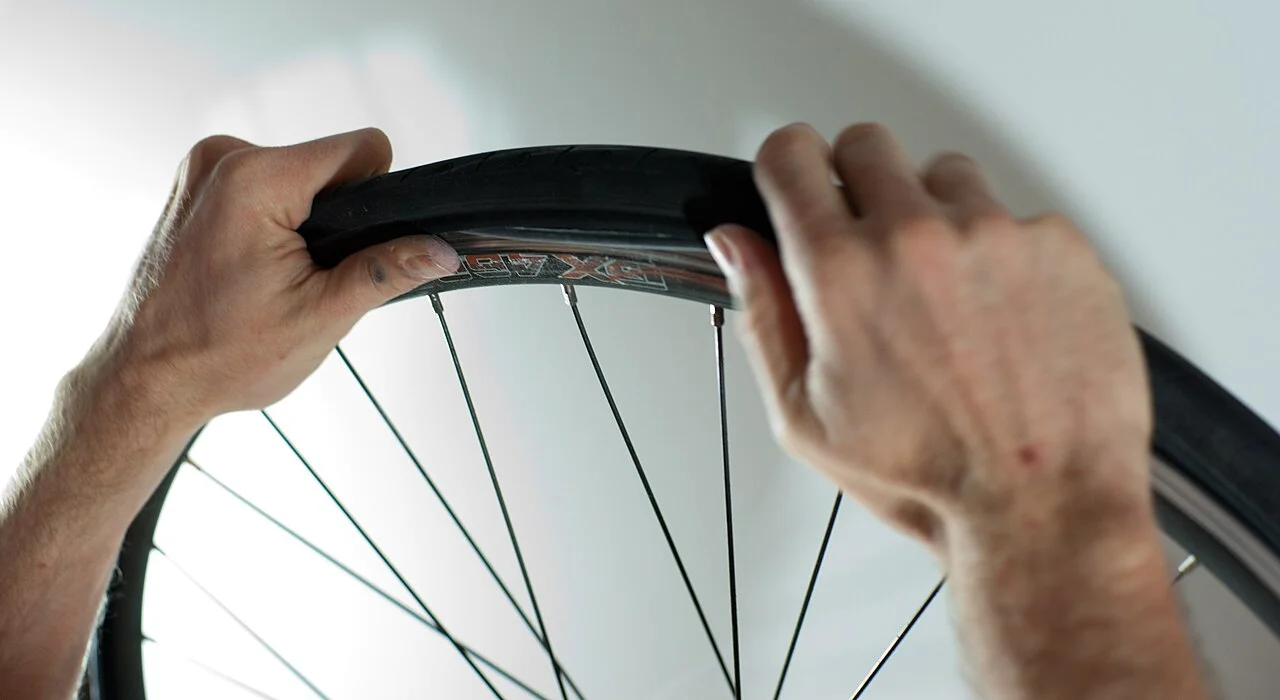
- A bicycle, and the skill to fix it: when fuel is scarce or expensive, a bicycle becomes the most practical way to reach a shop, a farm or a job. Learn to fix a flat, adjust brakes and replace a chain now.
- Spare bicycle tires and inner tubes: tubes, patch kits and a pump. One flat without a spare grounds a bike for good when shops are shut, so spares are worth their weight in gold.
Small goods for trade
- Small bottles of alcohol: miniature bottles of vodka, whisky or other spirits are easy to divide and widely wanted. High-proof spirits also work for cleaning tools and surfaces. Store them safely and away from children, and check local rules on keeping and trading alcohol.
Coffee, salt, sugar, cooking oil and spare reading glasses are also excellent small trade goods.
How to store your emergency items
- Keep it cool, dry and dark: heat and damp kill batteries, seeds, medicine and bleach.
- Rotate: use and replace soap, bleach, batteries and medicines on a schedule, oldest first.
- Split your stock: keep a small bag ready to grab and the rest at home, so you never lose everything at once.
- Trade quietly: keep your stock private, and trade small amounts with people you know.
Your emergency items checklist
| Group | Emergency items |
|---|---|
| Water | Droppers, coffee filters, bleach and sanitizer, water filters, non-lubricated condoms |
| Health and hygiene | Reading glasses, soap and hygiene products, toilet paper and wipes, dental floss, petroleum jelly, baking soda, medicines agreed with your doctor |
| Fire, light and power | Lighters and matches, flashlights, batteries AA and larger, solar chargers |
| Food and garden | Manual can openers, untreated heirloom seeds |
| Repair and mobility | Duct tape, quality hand tools, a bicycle, spare tires and inner tubes |
| Trade goods | Small bottles of alcohol, coffee, salt, sugar, cooking oil |
More ways to prepare: the diesel shortage scenario and why a maxi-scooter can replace a second car. For water at home, see Sustainably Offgrid’s guide to collecting rainwater.
Frequently asked questions
What emergency items are most valuable in a crisis?
Small, cheap, everyday items that run out fast and are hard to make: lighters and matches, batteries, soap, toilet paper, water filters and bleach, reading glasses, seeds, duct tape, quality tools and bicycle spares.
What are the best emergency items to barter?
Consumables that everyone needs every week, such as lighters, batteries, soap, coffee, salt and small bottles of alcohol, plus seeds, bicycle inner tubes and reading glasses. Skills such as repairing bikes and tools are worth even more.
How much bleach do I add to disinfect water?
The US EPA advises 2 drops of regular, unscented 6% bleach per liter (8 drops per gallon) of clear water, doubled for cloudy or very cold water. Stir and wait 30 minutes; the water should smell slightly of chlorine.
Why store reading glasses for emergencies?
Most people over 40 need them to read labels, repair things and sew. They are cheap now, last for years, and cannot be replaced when opticians are closed. Keep several strengths.
Why should emergency seeds be untreated and heirloom?
Untreated, open-pollinated or heirloom seeds grow true from saved seed, so one packet can feed you year after year. Most hybrid seeds do not, and treated seeds carry chemical coatings.
Which seeds should I store for an emergency garden?
A mix of calorie and protein crops such as dry beans, peas, winter squash, corn for meal and seed potatoes, plus tomatoes, hardy greens like kale, root crops like carrots and beets, onions and fast lettuce. Choose open-pollinated varieties so you can save your own seed.
Should I keep antibiotics in an emergency kit?
Only with your doctor’s advice. Ask about a reserve of your regular medicines and whether a prescribed emergency supply makes sense for you. Never self-medicate with antibiotics or buy them from unofficial sources.
Featured photo: Santeri Viinamäki, Wikimedia Commons (CC BY-SA 4.0).