Quick answer
Diesel runs the tractors that grow food and the trucks that move it. If a diesel shortage deepens, farm costs and food prices rise first, then supply chains and credit come under strain, and big cities feel it fastest. The best preparation is calm and practical: live closer to where food is grown, build real friendships with farmers, keep a rotating pantry, cut your own fuel use, carry little debt, and own skills and goods of real value that you could trade.
Note: This is a scenario for planning, not a prediction. It is general information, not financial, legal or medical advice.
Where diesel stands in 2026
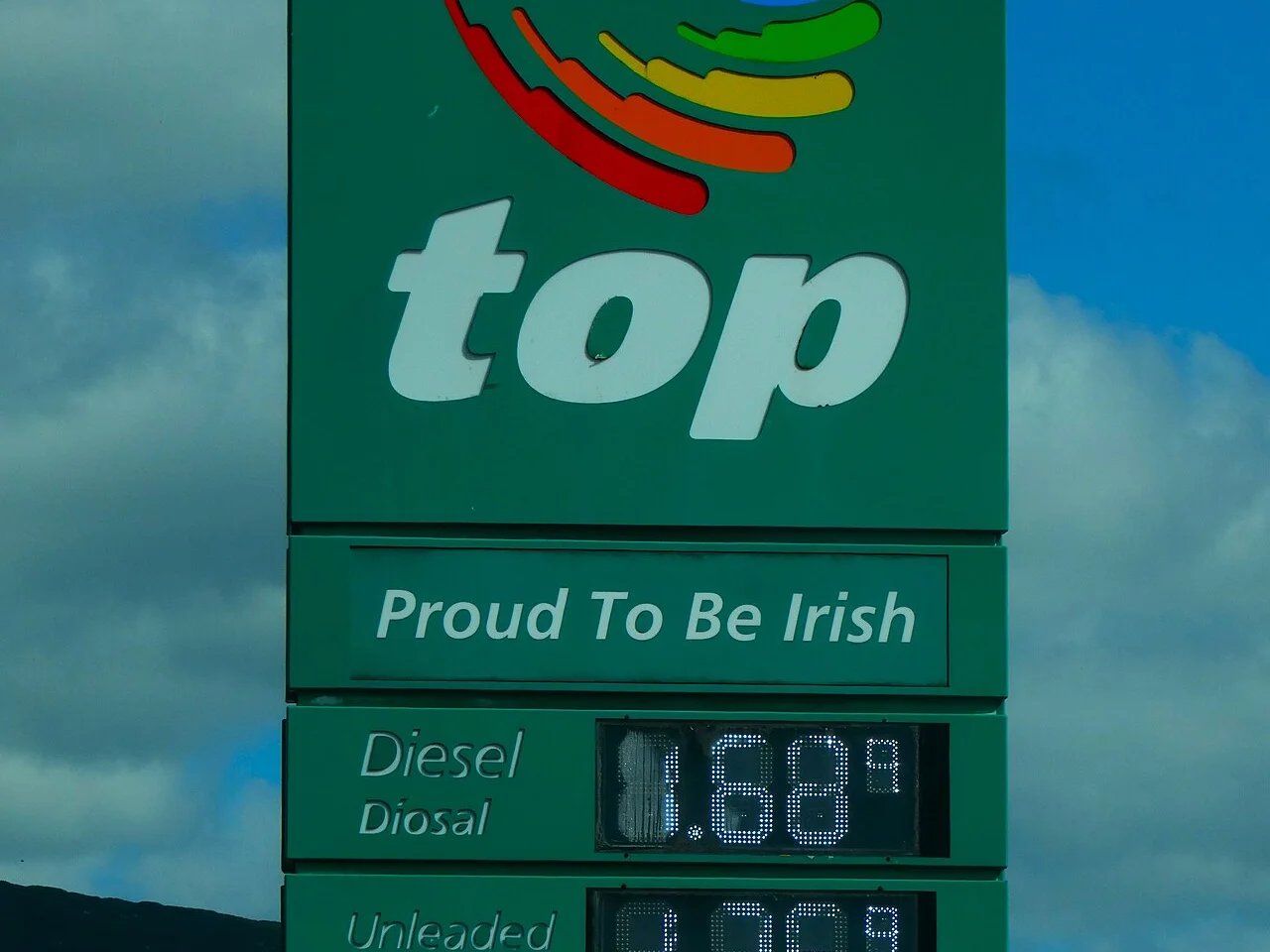
The scenario is not far-fetched. A diesel shortage is already building, and diesel is the tightest part of the fuel market this year:
- Exporters keep it at home: Russia, usually the world’s second-largest diesel exporter after the United States, extended its diesel export ban for producers to the end of October, Reuters reported. Chinese refiners suspended most October fuel exports, and the US has openly weighed restricting its own diesel exports (Moneycontrol).
- Prices at records: diesel has become the center of the energy crunch, with record prices in the United States, according to an Investing.com analysis.
- Farms feel it: diesel makes up about 64% of all fuel spending on US farms (USDA NASS), and USDA’s Economic Research Service expects farm fuel and oil expenses to rise about 29% in 2026 (EconoTimes).
- Food moves by truck: trucks carry more than 72% of all US freight by weight, according to the American Trucking Associations.
The scenario: how a diesel shortage spreads
Imagine the squeeze lasts and intensifies. A plausible chain of events looks like this:
- Exporting countries put themselves first. More of them ban or limit diesel exports to keep their own farms and trucks running. Import-dependent regions compete for what is left.
- Diesel prices go through the roof. Fuel surcharges spread through trucking, shipping and delivery.
- Farmers cannot afford to run at full scale. Fuel, fertilizer and drying costs rise together. Some cut acreage, delay fieldwork or sell livestock early.
- Food prices rise and supply chains break in places. Supermarkets that rely on just-in-time deliveries see gaps on shelves, first in remote stores and then in big-city chains.
- Credit seizes up. Businesses squeezed by costs pay late, lenders tighten, and loans and credit lines become harder and more expensive to get.
- Cities feel it first. A city has millions of mouths and almost no farmland. The countryside is where the food is grown.
In a diesel shortage like this, you want to be in the country, not in a big city, and you want to know the people who grow food.
What history teaches: a sack of potatoes for the family silver
Germany lived through this twice in one generation. In the hyperinflation of 1923, money lost its function as a means of exchange, and farmers and traders held back their goods; shops only filled again once farmers trusted the new currency, according to the German Bundestag.
After the Second World War, city people did the same on a mass scale. On so-called “Hamsterfahrten”, or hoarding trips, they rode overcrowded trains to the countryside, often at weekends, and swapped jewelry, clothing and household goods for potatoes, bacon, butter and vegetables (DW).
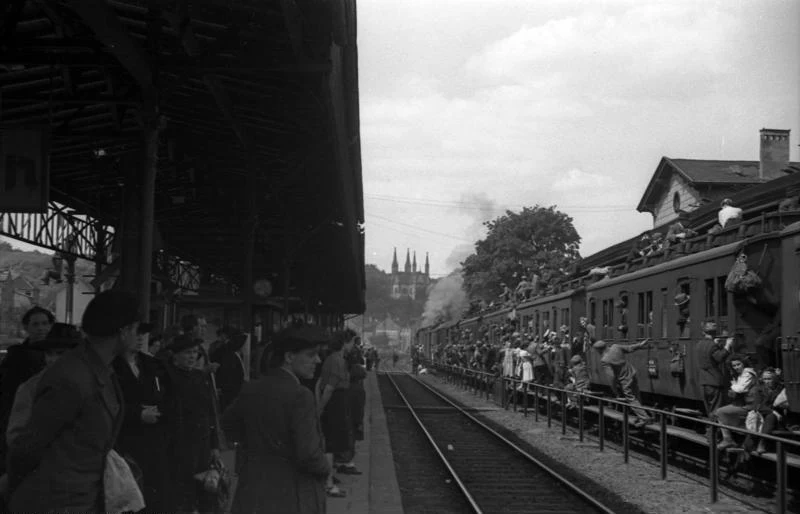
The lessons from those years still hold:
- Luxury lost value fast. One family traded heavy gold racing medals for perhaps five eggs, 2 to 3 kg (4 to 7 lb) of potatoes and a piece of bacon (MDR). Farmers soon “had everything already”, crystal, porcelain and silver included (Postwar Germany). In the Dutch Hunger Winter of 1944 to 1945, farmers eventually stopped accepting linen (Verzetsmuseum Amsterdam).
- Work and useful goods counted. Many city people helped with the harvest and were paid in food.
- Strangers were treated as a burden. Farmers who wanted to help could not feed everyone arriving from the cities. Known faces were treated differently from crowds of strangers.
- Those who already lived on the land ate better. The countryside had food when the cities did not.
Why the countryside, and why friends who farm
A small town or rural area close to farms gives you three advantages in a diesel shortage: food is grown nearby, fewer people compete for it, and you can reach it by bike, scooter or on foot. It does not mean moving to a remote cabin; being cut off from neighbors and services is its own risk. Our guides to the cheapest states to buy land and how to check land before buying cover where and how.
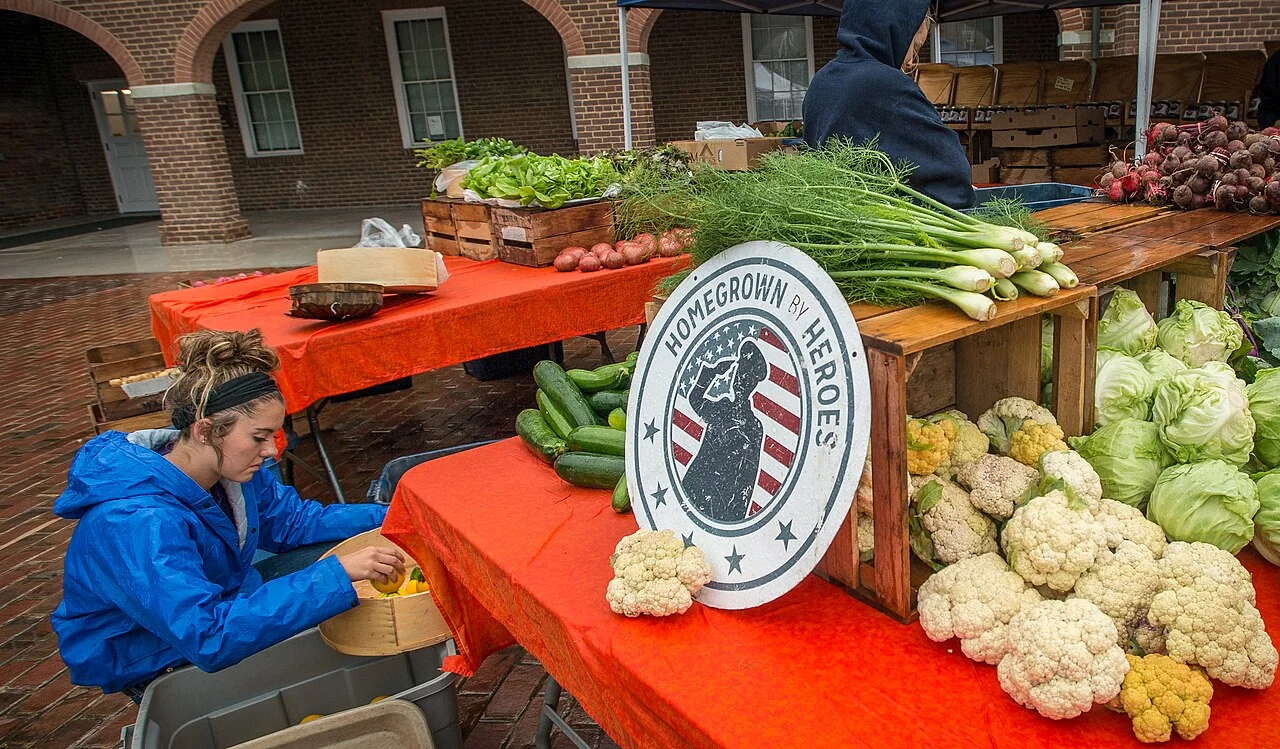
Friendship with farmers is built in good times, not in a crisis. Buy direct from them now, join a farm share, show up at the market every week, offer a hand at harvest, and become a known, reliable face. In a shortage, the farmer will think of you as a neighbor, not a stranger at the gate.
Essentials to prepare for a diesel shortage
| Area | What to do now | Why it matters |
|---|---|---|
| Location | Live in or near a small town with farms within cycling distance | Food close by, fewer people per farm |
| Farmer friends | Buy direct, join a farm share, help at harvest | Trust is your best supply chain |
| Pantry | Build a rotating stock of staples you actually eat, starting with a few days and growing to several weeks (Ready.gov) | Buffers price spikes and empty shelves |
| Garden and small livestock | Start a vegetable bed, plant fruit trees, consider a few chickens | Food you control; skills that take years to learn |
| Water | Know your source; add rainwater collection and a filter | Pumps and deliveries may fail |
| Heat and power | Add a wood stove or solar with a battery where it makes sense | Less exposure to fuel prices |
| Fuel and mobility | Drive less, choose an efficient vehicle, add a scooter or e-bike | Every liter you do not need is one you do not have to buy |
| Money and credit | Pay down variable-rate debt, keep an emergency fund and some cash | When credit tightens, debt gets dangerous |
| Barter goods and skills | Build useful skills; keep spare everyday goods and tools | Real value when money buys less |
| Health | Keep a first-aid kit and an extra supply of regular medicines if your doctor agrees | Pharmacies depend on trucks too |
| Community | Join local groups, the fire department, a church or a co-op | Neighbors share tools, food and information |
Sustainably Offgrid has practical guides for several of these: collecting rainwater, cheap ways to fill a raised bed, the best trees for a homestead, keeping chickens through winter, a reliable off-grid backup system and living partially off the grid. On fuel, see why a maxi-scooter can replace a second car and whether solar and an EV pay back.
What has real value for barter
History says: not what was expensive, but what is useful. Think in three groups:
- Skills and labor: repairing engines and tools, welding, carpentry, sewing, butchering, preserving food, first aid, beekeeping, and simply a pair of strong hands at harvest. Skills do not run out and cannot be stolen.
- Everyday consumables: coffee, salt, sugar, cooking oil, soap, matches, batteries, candles, vegetable seeds and canning lids. They are cheap to store now and wanted by everyone later.
- Tools and spares: hand tools, saws, files, fencing wire, fasteners, bicycle parts and spare tires. A farmer short of a part values it more than jewelry.
A little precious metal can help, but do not expect a fair rate from someone who already has enough to eat. Store everything safely, follow local rules on fuel storage, and never put yourself at risk for a trade. See our full list of 22 emergency items that hold their value.
Start this month
- Find two farms near you and buy from them every week.
- Add one extra week of staples to your pantry, and keep rotating it.
- Pick one skill on the barter list and take a class or volunteer to learn it.
- Pay down one variable-rate debt and grow your cash buffer.
- Work out how you would get groceries without your car for a month.
None of this is wasted if the scenario never happens. You will eat better, spend less and know your neighbors.
Frequently asked questions
How would a diesel shortage affect food prices?
Diesel powers farm machinery and the trucks that carry most food. Higher diesel prices raise farm costs and freight surcharges, which push up food prices, and supply gaps can appear where deliveries are cut back.
Is it better to live in the country during a fuel crisis?
Usually, if you live near farms and a small town rather than in remote isolation. Food is grown nearby, fewer people compete for it, and you can reach it without much fuel.
What did Germans trade for food after the war?
On so-called Hamsterfahrten, city people traded jewelry, clothing, silver and household goods with farmers for potatoes, bacon, butter and vegetables. Luxury goods quickly lost value, while useful goods and harvest labor kept theirs.
What are the best items to keep for barter?
Useful skills first, then everyday consumables such as coffee, salt, soap, matches, batteries and seeds, and tools and spare parts. Expensive luxury items are worth far less when food is scarce.
How much food should I store?
Start with a few days of staples you actually eat, as Ready.gov advises, then build up to several weeks and rotate it so nothing goes to waste.
Featured photo: USDA (public domain).