
Skip to content
Future West

A beacon for uncertain times

  • Live on Less
  • Move
  • Build Resilience
  • About
  • Contact
  • Get Field Notes

Live on Less

Fight inflation and live well on less: cut the big monthly bills, buy durable, and question spending habits.

Savings tracker: what our ideas could save you

Each row is one idea from a Future West article, with its yearly saving in USD and as a share of a typical US household budget: USD 105,709 for a young family of four and USD 61,432 for a retired couple (BLS 2024, family; BLS 2024, age 65+). Ideas that overlap are counted once. New articles add new rows.

If you stay put

Pinch to zoom in on the table.

Stay put: yearly savings
Spending areaYour choiceInstead ofFrom the postFamily of 4Retired couple
Main car5-year-old car bought for cashNew status car on a 72-month loanBuying an old carUSD 7,922 (7.5%)USD 7,922 (12.9%)
TransportFamily: maxi-scooter instead of a second car. Retired couple: one car onlyA second carSkip the second carUSD 5,685 (5.4%)USD 4,257 (6.9%)
GroceriesStore brands for about a quarter of the grocery basketName brandsStop keeping up with the JonesesUSD 693 (0.7%)USD 438 (0.7%)
FoodOne home vegetable gardenBuying all your vegetablesGrow food on a budgetUSD 530 (0.5%)USD 530 (0.9%)
Total yearly savingsUSD 14,830 (14.0%)USD 13,147 (21.4%)
  1. Main car: New BMW 530i (USD 56,331, 7.0% over 72 months) vs. a 2021 Toyota Camry LE paid cash (USD 18,750), over 5 years: depreciation, loan interest and lost interest on cash (Edmunds, Kelley Blue Book, iSeeCars). Insurance and repairs left out.
  2. Transport: Assumes a two-car household; half of its yearly private vehicle spending (BLS), minus about USD 2,260 a year for the scooter in the family case.
  3. Groceries: Store brands save one-third or more (Private Label Manufacturers Association), applied to a quarter of food-at-home spending (BLS).
  4. Food: About USD 600 of produce on USD 70 of spending (National Gardening Association).

Energy bonus: about USD 3,080 a year more (2.9% for a family, 5.0% for a retired couple) if your car is electric and charged by home solar instead of a gas car on grid power. Not added to the totals, because the main-car row above assumes a regular used car. Solar costs about USD 22,600 to 29,100 up front and pays back in 12 to 14 years; see solar and EV payback.

If you move to the lowest-cost country

Pinch to zoom in on the table.

Move abroad: yearly savings
Spending areaYour choiceInstead ofFrom the postFamily of 4Retired couple
Living costsMove to Da Nang / Hoi An, Vietnam, the cheapest of our 16 expat cities: 68% less for a family, 65% less for a retired coupleLiving costs in a typical US householdCost of living abroadUSD 54,889 (51.9%)USD 30,547 (49.7%)
US income taxForeign earned income exclusion for a family earning USD 100,000 abroad through remote work or a portable business; pensions do not qualifyFull US income tax on the same payCost of living abroadUSD 3,240 (3.1%)–
Total yearly savingsUSD 58,129 (55.0%)USD 30,547 (49.7%)
  1. Living costs: Numbeo-based percentages applied to housing, food, transport, utilities, schooling and other living costs only (BLS: USD 80,719 for the family, USD 46,995 for the retired couple); health care, insurance, pension contributions and donations excluded. The family case assumes income continues abroad through remote work or a portable or online business.
  2. US income tax: 2026 federal tax figures from the IRS, as worked through in the post.

Not included: health insurance abroad, which can be a retiree's largest cost, and visa costs. Garden and scooter savings are not added, as cheap local food and transport are already in local prices. Moving within the US instead, from New York or Los Angeles to the countryside, lowers overall prices by about 21% to 22%; see the cheapest states to buy land.

Disclaimer: these are rough estimates built from the sources in each article, updated October 2026. Your savings depend on where you live, what you spend now and the choices you make. This is general information, not financial, tax or legal advice.

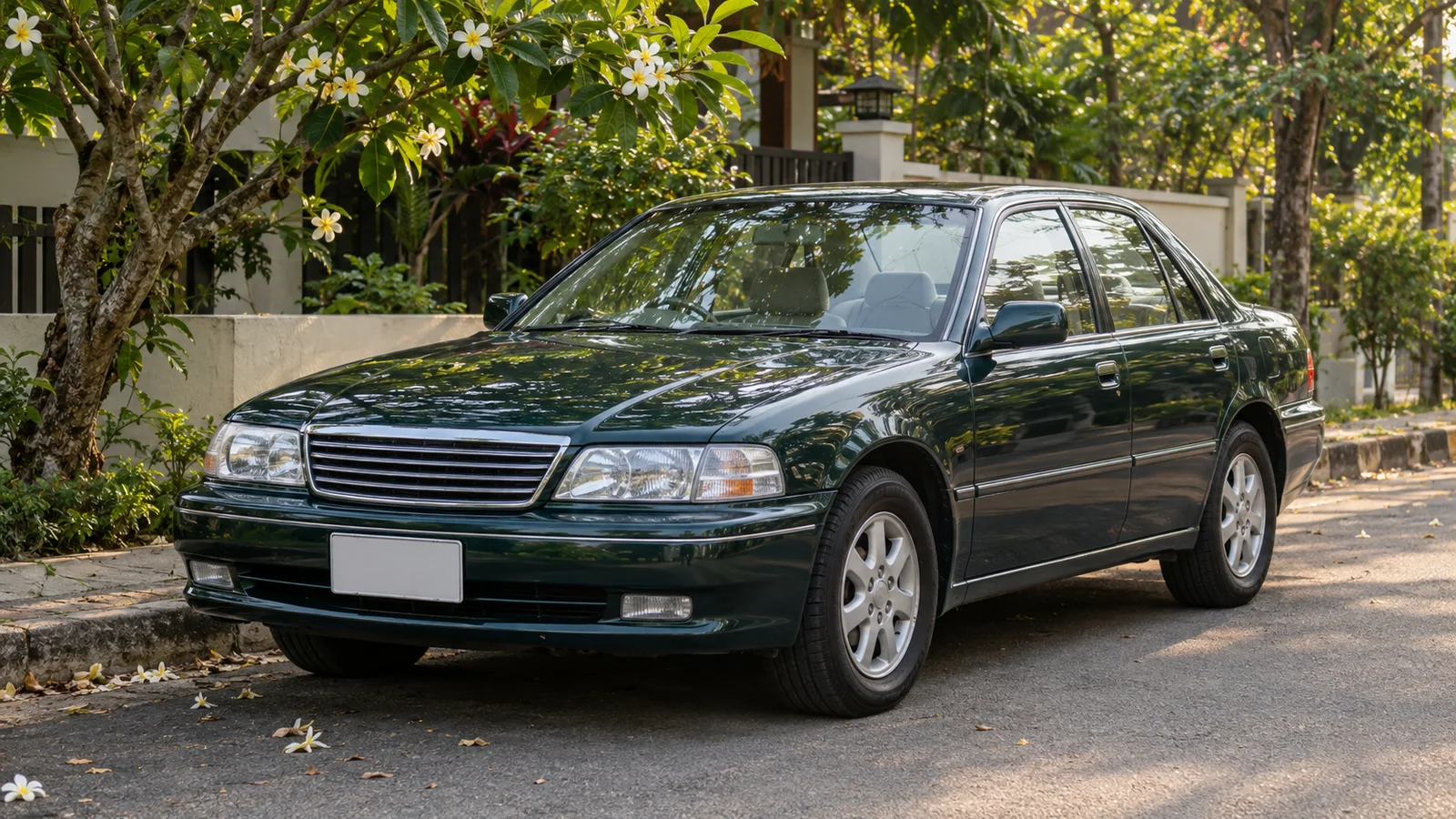
Buying an Old Car: Why I Want One Built Like a Tank
October 26, 2026October 25, 2026 by Cal Westermann
Well-kept older dark green sedan parked on a quiet tree-lined street, an example of buying an old car

Visit Site Buying an old car is one of the few big purchases where someone else has already paid most of the price for you. When I went shopping for a car in Thailand, one ad said its Mercedes E-Class had sold new for more than 5 million baht (about USD 149,000). Sixteen years later, … Read more


Categories Live on Less Leave a comment

Grow Food on a Budget: A First-Year Plan

October 27, 2026October 25, 2026 by Cal Westermann
Grow food on a budget: a raised bed full of salad greens

What a home garden really saves, a year-one budget for one raised bed, the crops that pay, and a season-by-season plan.

Categories Live on Less Leave a comment

Skip the Second Car: Why a Maxi-Scooter Like the Honda ADV350 Pays Off

October 26, 2026October 23, 2026 by Cal Westermann
Honda ADV350 maxi-scooter, 2026 model, full side view

Why a maxi-scooter like the Honda ADV350 can replace a second car: storage, step-through comfort, running costs and safety.

Categories Live on Less Leave a comment

Does Solar Coupled With an EV Pay Back? Is It a Durable Way to Lower Your Utility Costs?

October 23, 2026October 22, 2026 by Cal Westermann
Solar and EV at home: couple beside an electric car plugged into a home charger, with solar panels and a wall battery

In the article on buying an old car, I stuck to combustion engines. This is the other half of the story: panels on the roof, an electric car in the driveway and a Tesla-style home battery on the garage wall. The question is simple. If the sun fuels both your house and your car, does … Read more

Categories Live on Less Leave a comment

Stop Keeping Up with the Joneses: Adjust Your Values First

October 23, 2026October 22, 2026 by Future West Editorial Team
Keeping up with the Joneses: a couple on a suburban street, each dreaming of status symbols like a sports car, watch and jewelry

Keeping up with the Joneses is the most expensive habit most households never budget for. It doesn’t show up as a line item. It hides inside the car payment, the kitchen remodel, the kids’ sneakers and the vacation that had to look good online. And no spreadsheet can fix it, because the problem isn’t math. … Read more

Categories Live on Less Leave a comment

Future West

Practical answers for rising costs: live well on less, move somewhere cheaper, or build financial resilience.

General information only, not financial, tax, legal or medical advice.

Navigation

  • Home
  • Live on Less
  • Move
  • Build Resilience
  • About
  • Contact

Important links

  • Privacy Policy
  • Terms of Use
  • Disclaimer
  • Affiliate Disclosure
  • Editorial Policy

Stay in touch

Questions or corrections? Use the contact page.

Get Field Notes, free every week.

Copyright © 2026 Future West. All rights reserved. | Terms of Use | Privacy Policy | Future West is published by AAA Marketing Hub.