Quick answer
Cheap land attracts plenty of bad parcels, but most land mistakes are avoidable. Check land before buying in two rounds. First, a quick desk check of six features, which takes minutes and costs nothing: access, soil, slope, environmental risks, street view and satellite view. Second, for any parcel that passes, a full due diligence list, with every answer from the county, the utility and the title company in writing.
Note: This article is general information, not legal or real estate advice. Rules differ by state and county, so confirm everything with local offices and qualified professionals before you sign.
Round 1: the 60-second desk check
Land buyer Acrewell uses a six-step screen it calls ASSESS: Access, Soil, Slope, Environmental, Street View and Satellite View. In its video, the presenter screens a 7-acre (2.8 ha) listing in about 65 seconds using a county GIS map and Google Maps. The point is not to approve a parcel in a minute, but to throw out bad ones before you spend money on them.
Video: How To Spot Bad Land In 60 Seconds, Acrewell Land Company, YouTube.
1. Access: can you legally and physically get there?
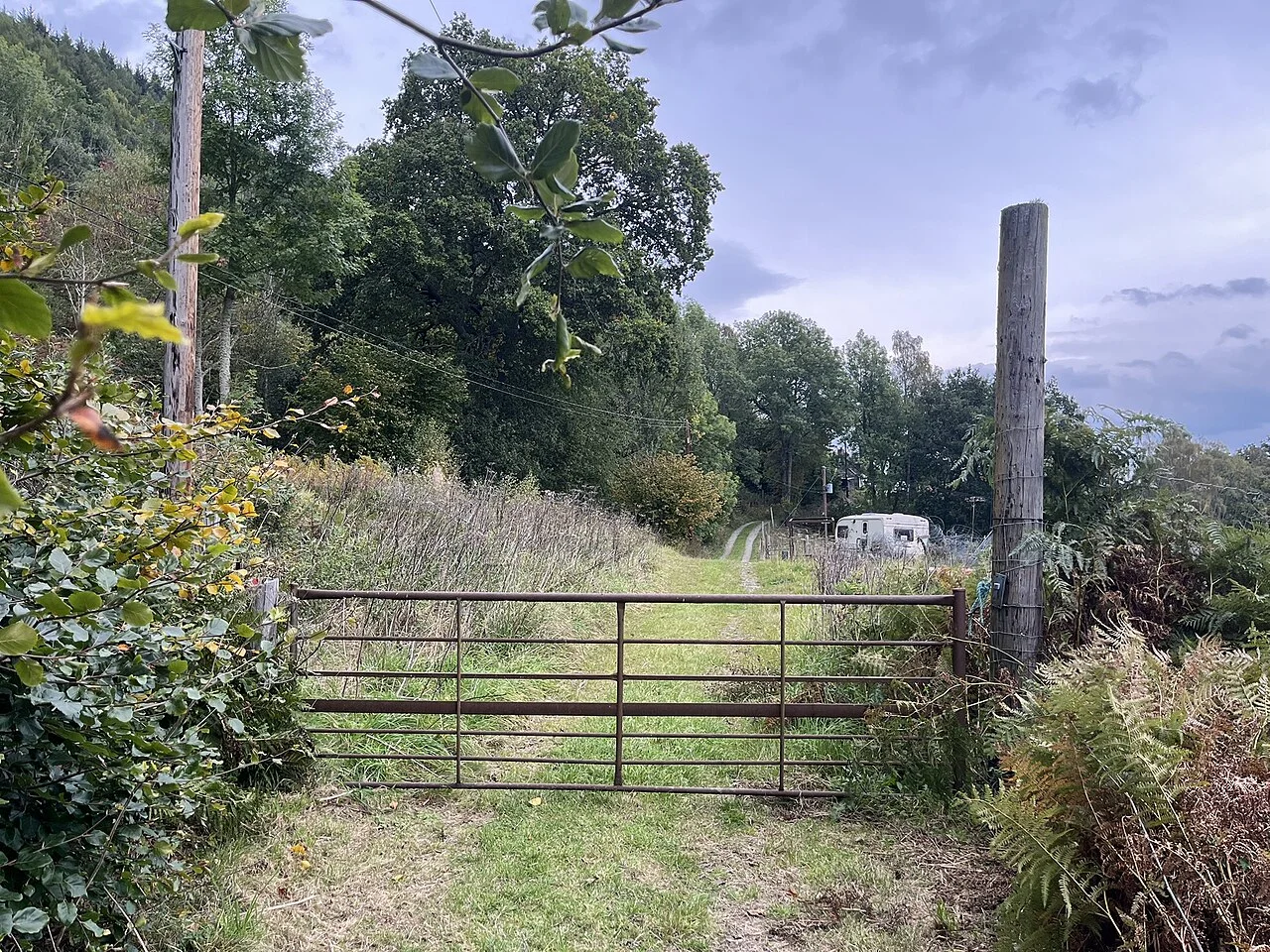
Access has two parts. Legal access means you can reach the parcel without crossing a neighbor’s land. Physical access means you can drive there. A parcel can have one without the other.
- Landlocked parcels: a lot set back from the road behind someone else’s woods may have no access at all. Acrewell values such land at no more than a couple of thousand dollars.
- Hidden easements: a parcel that looks landlocked on a map may still have a recorded right-of-way, for example a 30-foot (9 m) strip along one boundary. It appears only in the deed’s legal description or a recorded plat at the county register of deeds, so check there before you rule it in or out.
- Road frontage: more frontage on a county-maintained road can mean more value. In the video, an 8.9-acre (3.6 ha) parcel with over 500 feet (150 m) of frontage was split into six building lots.
2. Soil: will it take a septic system?
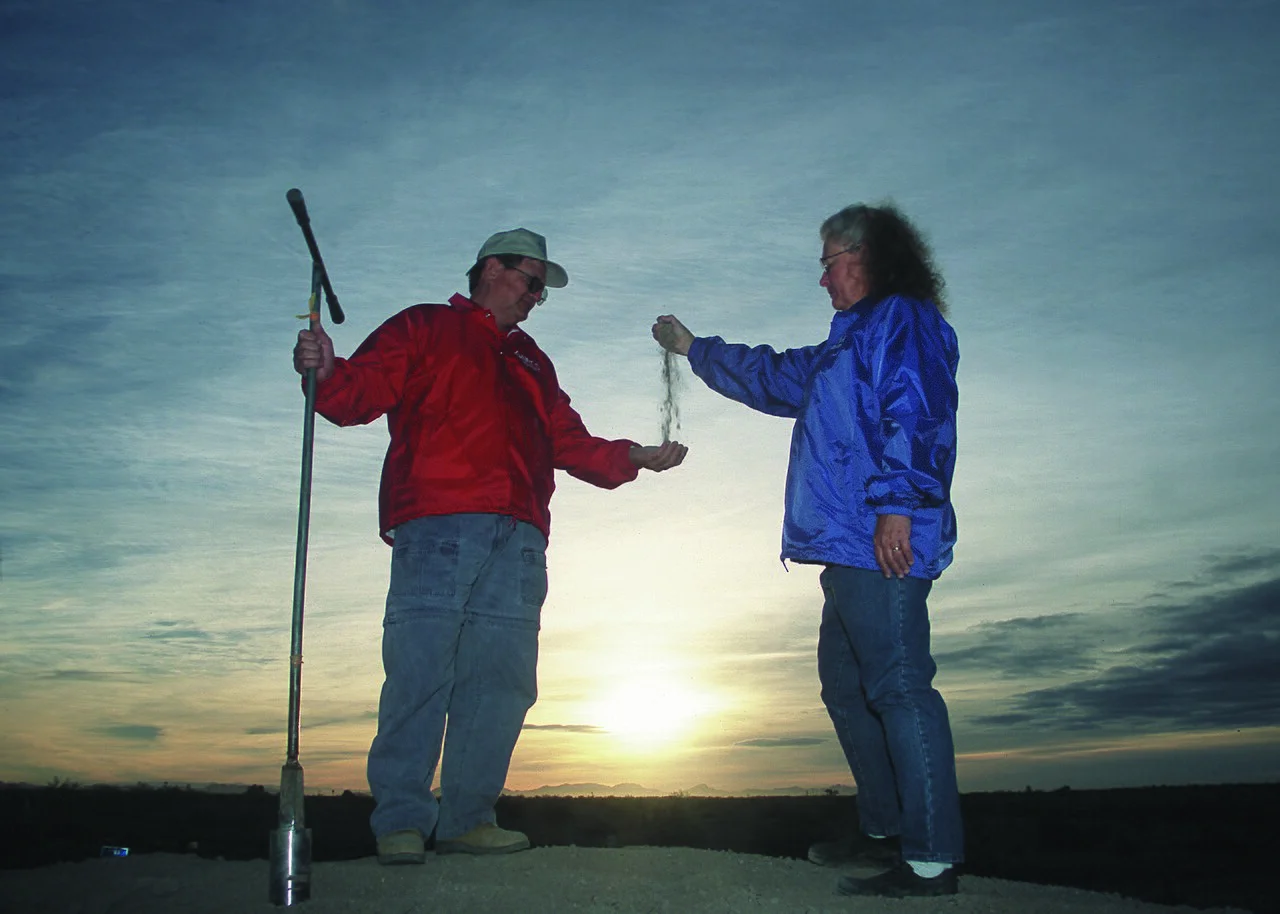
On rural land, soil matters mainly for one reason: septic. If the soil does not drain wastewater, you cannot install a conventional septic system, and often you cannot build a home. In Acrewell’s example, that one issue can cut a parcel’s value by about 80%, from around USD 50,000 to under USD 10,000.
- Start with the map: look up the soil series on the USDA Web Soil Survey or your county GIS. Deep, well-drained soils are a good sign; soils known locally as poorly drained are a warning.
- Then verify on site: a soil map is not proof. Hire a soil scientist or ask the county environmental health office for a site evaluation or percolation test. In the video, a site visit found less usable soil than the county map suggested.
- You do not need perfect soil everywhere: a septic system and its repair area for a three-bedroom home may need roughly 6,000 to 7,000 square feet (560 to 650 m²), about 15% of a one-acre lot. Rules vary by state, so ask the county.
Watch for old subdivisions where a large piece was never built on. It was rarely forgotten; often the soil would not pass.
3. Slope: is it too steep to build?
Use the contour lines on a topographic or GIS map. Lines close together mean steep ground; lines far apart mean gentle ground. Always check the contour interval, because 20-foot (6 m) lines look much gentler than 2-foot lines on the same hill.
- Above about 10% grade, building gets harder and more expensive.
- Above about 15%, it gets especially challenging.
- Compare with the neighbors: if nearby homes sit in flatter pockets and your building site is steeper than anything built around it, walk away.
4. Environmental: wetlands and flood zones
Check the parcel on the FEMA Flood Map Service Center for flood zones, and on the US Fish and Wildlife Service Wetlands Mapper for wetlands. Wetlands next door may not matter. Wetlands across your only route in do: a driveway through wetlands or a flood zone can trigger permits, engineering and paperwork before you build anything. Ask an insurer for a quote before you buy, too.
5. Street view: what will you see every day?
Before you drive out, use Google Street View to look at the road, the curb appeal and the neighbors. A junk-filled yard, rail tracks or heavy traffic across the street can hurt value as much as the parcel itself. Then visit in person: take photos, walk the boundary and, ideally, every acre.
6. Satellite view: what is nearby?
Zoom out on the satellite map and look a mile (1.6 km) or two around the parcel. Common nuisances include:
- Livestock operations: large hog or poultry farms can mean strong odors; visit on a warm summer day.
- Quarries, logging and industry: dust, noise and truck traffic.
- Logistics sites: trucks and equipment moving day and night.
- Wind and solar farms: mostly a question of the view.
Tools: county GIS maps are usually free and cover the first four steps. Paid land apps add parcel lines, soils and contours in one place; the one used in the video costs about USD 15 a month.
Round 2: verify everything in writing
A parcel that passes the desk check is only a candidate. Before you sign, work through this list, and get every answer in writing:
- Zoning and building rules: call the county planning office. Ask what you may build, the minimum house size, and whether you may live in an RV or tiny house while you build. Sustainably Offgrid explains building permits for off-grid cabins and whether living off the grid is legal.
- Water: ask neighbors and local well drillers how deep wells go and how much they yield. In Western states, check who owns the water rights.
- Soil and septic: order a percolation test or site evaluation, and keep the written result.
- Flood and fire risk: save the FEMA flood map for the parcel and get an insurance quote, including wildfire cover where it applies.
- Access and boundaries: confirm deeded road access and get a current survey.
- Title, covenants and minerals: use a title company and buy title insurance (see below), read any deed restrictions or HOA rules, and ask whether mineral rights convey with the land.
- Power and internet: get a written quote from the local utility or electric co-op, and confirm a usable internet option.
Never buy land without title insurance
Never buy any land or real estate without title insurance. A title policy protects you if someone later turns up with a claim to the land, such as an unpaid lien, a forged deed, a missing heir or a boundary dispute. With cheap rural parcels, sold quickly and often online, these problems are more common than buyers expect.
- Order a preliminary title search early: ask a title company for a preliminary title report (often called a title commitment) as soon as your offer is accepted, before you pay more than a refundable deposit.
- If it is insurable, the title is clear: if the title company is willing to insure the title, that is the best practical sign that it is clean and you can buy with confidence.
- Read the exceptions: the commitment lists anything the policy will not cover, such as easements, liens or restrictions. Ask the title company to explain each one, and have the seller fix problems before closing.
- Choose your own title company: use an independent company or attorney you pick, not one suggested by an online seller, and close through escrow.
Check the community when you visit
You are not only buying a parcel, you are joining a community. When you visit in person, give yourself a few extra hours to look beyond the boundary lines:
- Are people welcoming to strangers? Stop at the local café, diner, hardware or feed store and start a conversation. Ask what it is like to live there and how newcomers fit in. Most people will tell you, and how they answer tells you as much as what they say.
- Talk to the neighbors: knock on a door or two near the parcel. Neighbors know about wells, flooding, road problems and plans for nearby land long before they show up in any record.
- Where do you buy groceries? Check how far it is to a supermarket and what it stocks. A small general store may be close, but the nearest full-size grocery could be a 30-minute drive away.
- Is there local food? Look for farmers markets, farm stands, CSA farm shares, butchers and egg sellers. The USDA Local Food Portal lists farmers markets, on-farm markets and CSAs by area. A strong local food scene usually means a lively community, and it makes life on less much easier.
- Services you will need: note the distance to a clinic and hospital, a pharmacy, a vet, schools, a post office and the nearest fuel station. Ask who plows the road in winter and how far the volunteer fire department is.
- Signs of community life: look for notice boards, churches, libraries, granges, county fairs and seasonal events. Local social media groups also show what people care about and how they treat each other.
Go back at a different time of day or year if you can. A quiet Sunday in May can feel very different from a Monday morning in January.
Internet and cell reception if you work from home
For remote workers, a parcel without reliable internet is a parcel you cannot live on. Coverage maps are a start, not proof, so check on site:
- Check the maps first: enter the address on the FCC National Broadband Map to see which providers claim service there, and check Starlink’s availability map. Then call each provider and ask for service at that exact address, in writing.
- Know your options: fiber or cable is best if it reaches the road; otherwise look at fixed wireless, 5G or 4G home internet, and satellite. Ask what it costs to run a line from the road to your building site, which can be expensive on large parcels.
- Test at the building site, not the road: run a speed test on your phone where the house would stand, and repeat it with a second carrier if you can. Hills and trees can kill a signal in a few hundred feet (100 m or so).
- Check upload, not only download: video calls and file uploads depend on upload speed. The FCC’s broadband benchmark is 100 Mbps down and 20 Mbps up; many remote jobs work on less, but not on a weak cell signal.
- Ask the neighbors: what they use, what they really get at peak times, and how often it drops in storms.
- Have a backup: plan for a second connection, such as satellite plus a cell plan, or a cell signal booster, so one outage does not stop your work.
Sustainably Offgrid explains how to get internet off the grid in more detail.
Where to find parcel records online
Most of the information you need to check land before buying is public and free. Start with the national tools, then go to the county, where the official records sit.
National maps and databases
| What to check | Where to look |
|---|---|
| Find any county’s record offices | NETR Online public records directory: links to county assessor, recorder and GIS sites in every state |
| Parcel lines and owner names | Regrid parcel map (basic view free) and AcreValue for farmland, soils and recent sales |
| Soil and septic suitability | USDA Web Soil Survey |
| Slope and terrain | USGS National Map and USGS topoView for current and historical topographic maps |
| Flood zones | FEMA Flood Map Service Center, plus Risk Factor for flood, fire and heat scores by address |
| Wetlands | USFWS Wetlands Mapper |
| Wildfire risk | Wildfire Risk to Communities (US Forest Service) |
| Contamination nearby | EPA Cleanups in My Community |
| Internet options | FCC National Broadband Map |
| Original land patents (Western and Southern states) | BLM General Land Office Records |
| What the land looked like in past years | Google Earth Pro historical imagery: spot old dumping, clearing or flooding |
Search terms to find local records
County websites are hard to find because each state names its offices differently. Type these into a search engine, replacing the brackets with your county and state:
| You need | Search for |
|---|---|
| Parcel map, lines and acreage | “[county] county GIS parcel viewer”, “[county] county property search”, “[county] tax map” |
| Deed, easements and plat maps | “[county] register of deeds”, “[county] recorder of deeds”, “[county] county clerk land records”, “[county] recorded plats” or “[subdivision name] plat” |
| Assessed value and taxes | “[county] assessor parcel search”, “[county] property appraiser”, “[county] tax collector delinquent taxes” |
| Zoning and permits | “[county] zoning map”, “[county] planning and zoning”, “[county] building permit requirements”, “[county] minimum dwelling size” |
| Septic | “[county] environmental health septic permit”, “[county] perc test”, “[county] onsite wastewater” |
| Wells and water rights | “[state] well log database”, “[state] water well records”, “[state] water rights search”, “[state] state engineer” |
| Roads and access | “[county] road maintenance list”, “[county] county maintained roads map”, “[county] road department” |
| Mineral rights | “[county] mineral deed search”, “[state] oil and gas well map” |
Office names vary: deeds may sit with the register of deeds, the recorder, the county clerk or the clerk of court; values with the assessor, appraiser or property valuation administrator. If a record is not online, call the office; most will email copies for a small fee.
Buying land online, sight unseen
Many cheap parcels sell online without the buyer ever seeing them. That is common, and risky. Run the desk check on every listing, then visit or hire someone local before you pay more than a small, refundable deposit. Read Sustainably Offgrid’s 12 tips for buying land online, how to find off-grid land and what to look for when buying a homestead before you send money. If you plan a small home, see buying land for a tiny house.
Finally, liking a parcel is not the same as knowing what it is worth. Compare recent sales nearby before you make an offer. For where land is cheapest in the first place, see Leave the City: Cheapest States to Buy Land.
Frequently asked questions
Do I need title insurance when buying land?
Yes. Never buy land or real estate without it. Ask a title company for a preliminary title search early on. If the company is willing to insure the title, it is clear in practice; read the listed exceptions, because the policy will not cover them.
How do you check land before buying?
Start with a quick desk check of access, soil, slope, flood and wetland risk, street view and satellite view. If the parcel passes, verify zoning, water, septic, access, title, mineral rights and utilities in writing with the county, the utility and a title company.
What is the biggest red flag when buying land?
No legal access and soil that will not take a septic system are two of the costliest. Either can make a parcel unbuildable and cut its value by most of the asking price.
How do I know if land will pass a perc test?
A soil map from the USDA Web Soil Survey gives a first hint, but only an on-site evaluation by a soil scientist or the county environmental health office confirms it. Make the purchase contingent on a passing result.
How steep is too steep to build on?
As a rule of thumb, building gets harder and more expensive above about 10% grade and especially challenging above about 15%. Compare the slope with where nearby homes are actually built.
Is it safe to buy land online without seeing it?
It is common but risky. Run the desk check, get the written answers on zoning, access, septic and title, and visit or send someone local before paying more than a small, refundable deposit.
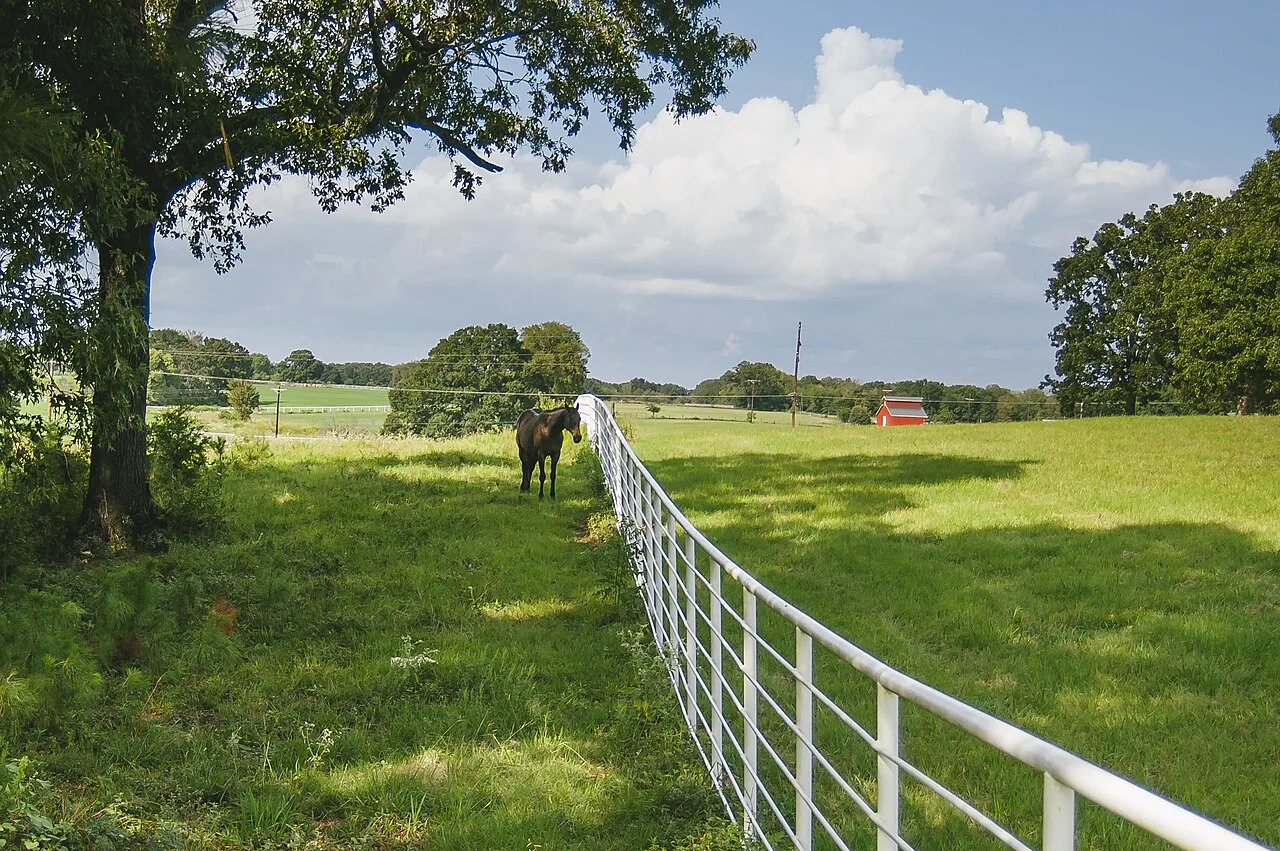
Featured photo: Matthew T Rader, Wikimedia Commons (CC BY-SA 4.0).